
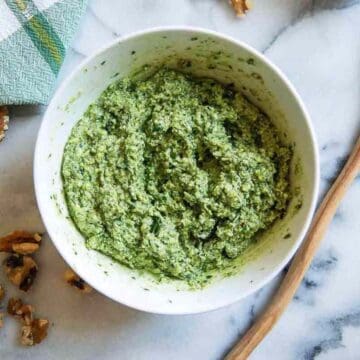
This easy basil walnut pesto recipe is made with rich walnuts, bright basil, and a blend of Parmesan and Pecorino Romano cheeses to create a sauce that's incredibly versatile and seriously delicious. Use it in pasta, pizza, or sandwiches, or freeze it for later to make weeknight dinners a breeze!
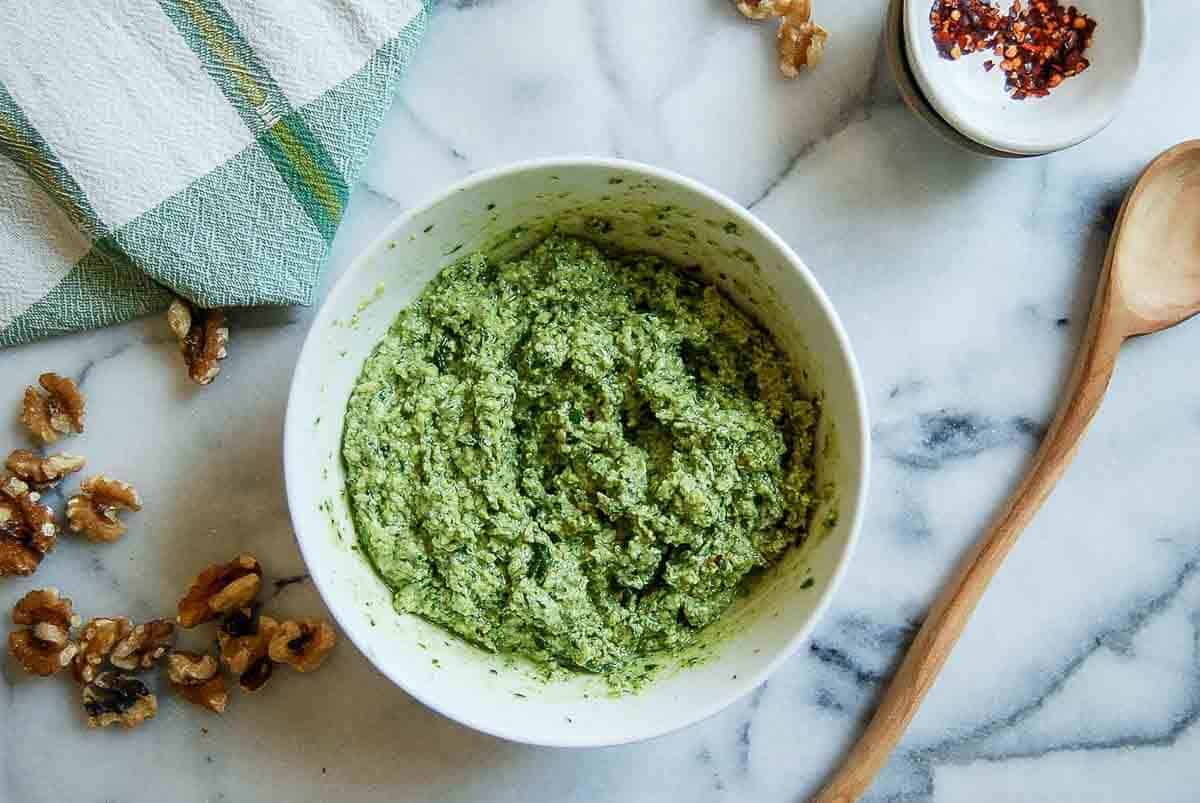
Are your basil plants growing like bonkers this summer? I hear you. I've had basil coming out of my ears, and while I love tossing it in salad and on top of a simple margarita pizza, pesto is my favorite way to make the most of this delicious herb.
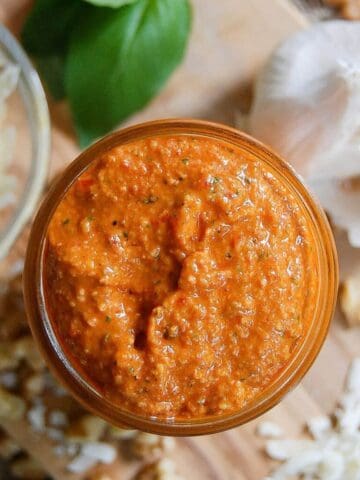
Traditional pesto recipes use pine nuts as the nut base, but the truth is that pesto can be made with many types of nuts (and greens, and even cheese!). (Try my roasted red pepper pesto or my pea shoot pesto for other ideas.)I happened to have a big bag of walnuts on hand, and the swap to those from pine nuts creates this earthy flavor that truly complements the fresh basil (not to mention they're more affordable and often easier to find!).
Friends, I love how this walnut pesto sauce turned out. It's creamy, slightly tangy from a touch of lemon juice, and loaded with savory flavor thanks to the duo of Parmesan and Pecorino Romano cheese. Plus, everything comes together quickly in a food processor, so it's ready in minutes. Oh - and freezing! You can freeze this sauce in little cubes to make it super easy to thaw in batches whenever you need it. A total win when you want a quick homemade recipe upgrade mid-week but are short on time.
Key Ingredients
The classic structure of a pesto sauce is as follows: nuts, cheese, basil, garlic, and olive oil. This pesto recipe with walnuts is a simple twist on the traditional Genovese version by using walnuts instead of pine nuts. Here's what makes this walnut pesto stand out:
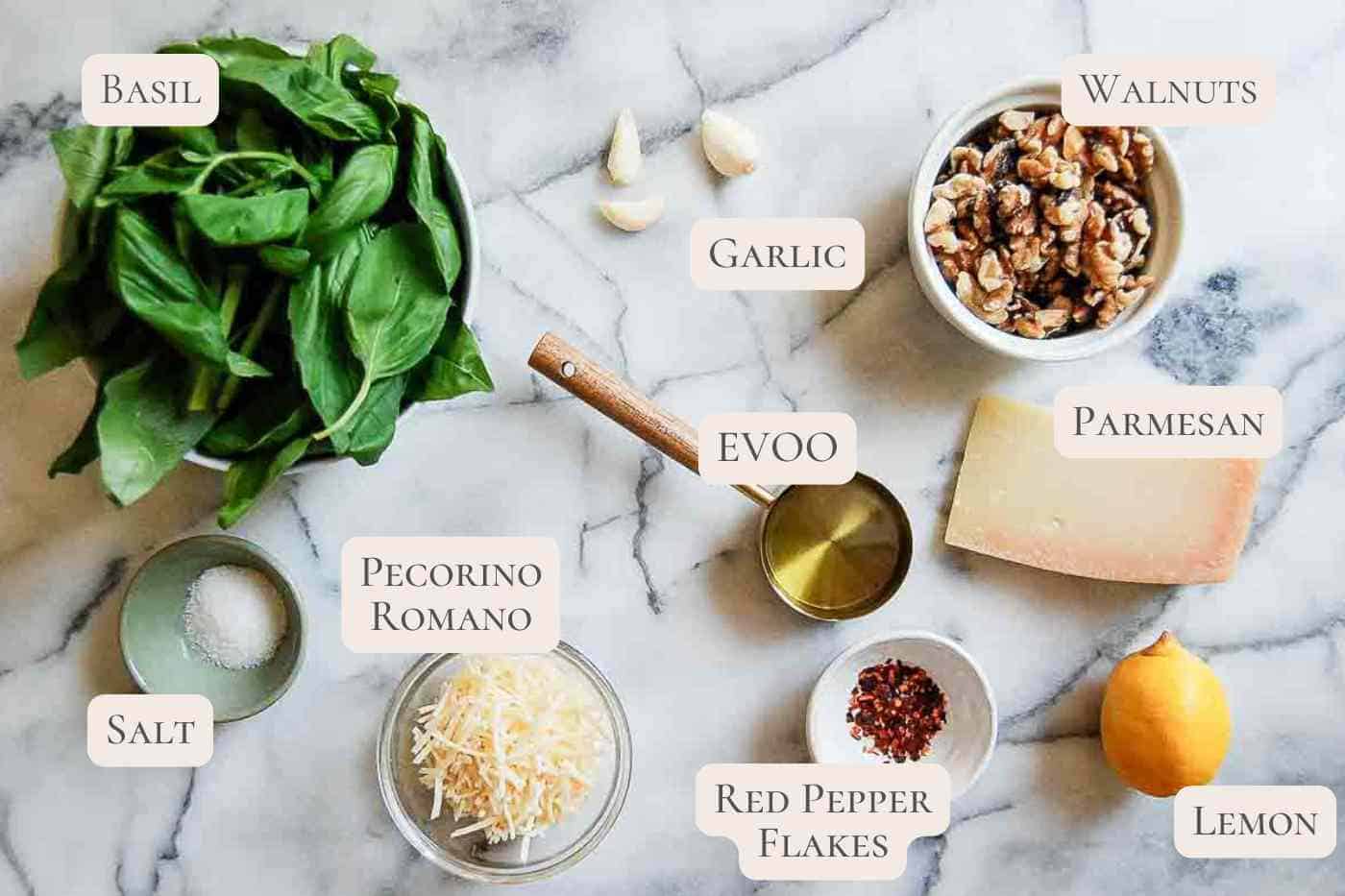
- Walnuts. Much richer in taste than pine nuts - they're more robust and earthy, giving a bit more weight to this classic sauce.
- Basil. Use tightly packed fresh leaves for that vibrant green color.
- Parmesan & Pecorino Romano. A salty, umami-rich combo that balances the nuts and oil. (You can also use one or the other if you don't have both - it will still taste great).
- Olive oil. EVOO helps the sauce blend smoothly. You'll add it in a steady stream to emulsify the pesto.
- Garlic & lemon juice. I love me some garlic, and pesto is known for the sharp bite the garlic adds. The lemon juice adds some bright acidity that helps to round everything out.
Variations & Substitutions
One of the best things about any pesto sauce is how adaptable it is. While this version is a classic basil walnut pesto, you can mix things up based on what you have on hand:
- Nuts: Try almonds, pistachios, cashews, or even hazelnuts if you don't have walnuts on hand. (Or, the classic pine nuts if you want to go that route.)
- Greens. Sub in arugula, kale, or even spinach for different flavors. You can really get creative here. Case in point: See this pea shoot pesto that I made in my first-ever blog post!
- Cheese. I'd recommend sticking with hard cheeses, like Parmesan or Pecorino Romano, for the best texture and flavor.
- Add-ins. A pinch of red pepper flakes adds some heat, and sun-dried tomatoes or even mint can make your sauce totally unique.
How To Make Basil Walnut Pesto
This pesto recipe with walnuts couldn't be easier. Here's how to make it. (Note - I made this recipe in a food processor, but it's also lovely when made with a mortar and pestle if you have the time/equipment).
- Create your walnut base. In a food processor, combine the walnuts, garlic, and coarse sea salt. Pulse until the mixture is coarse and crumbly.
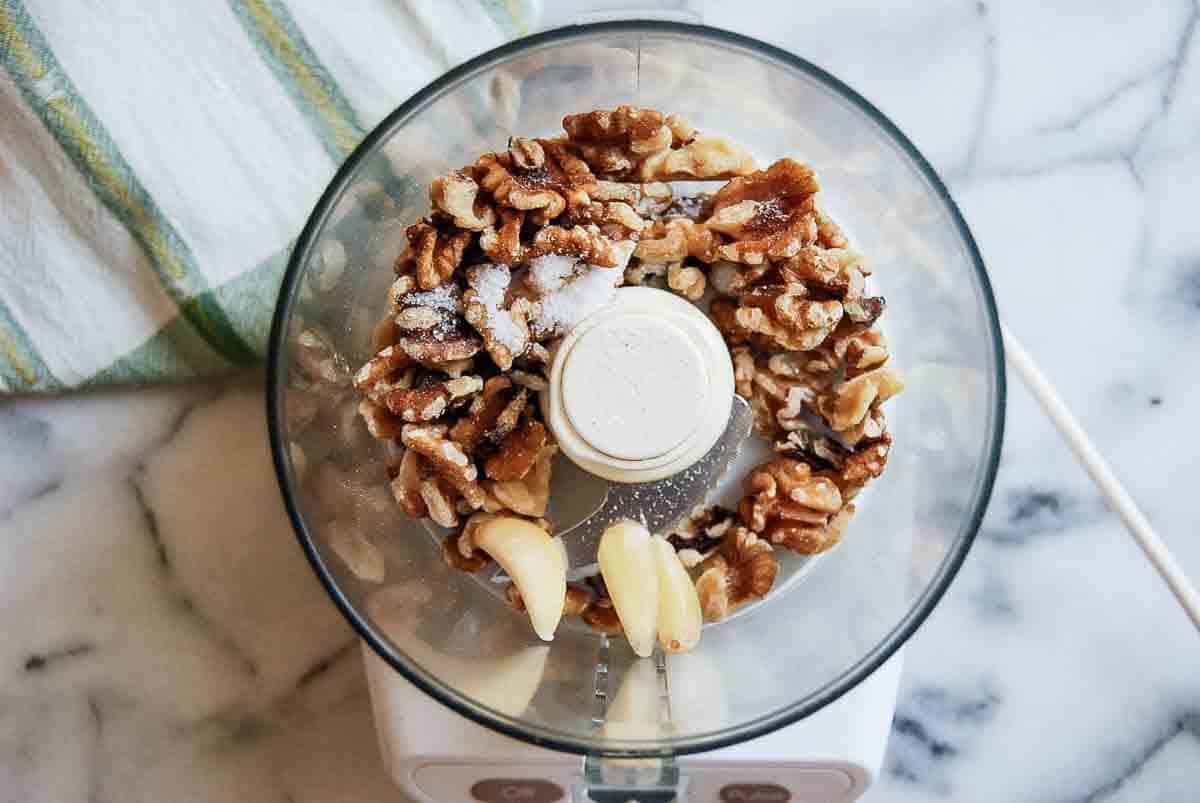
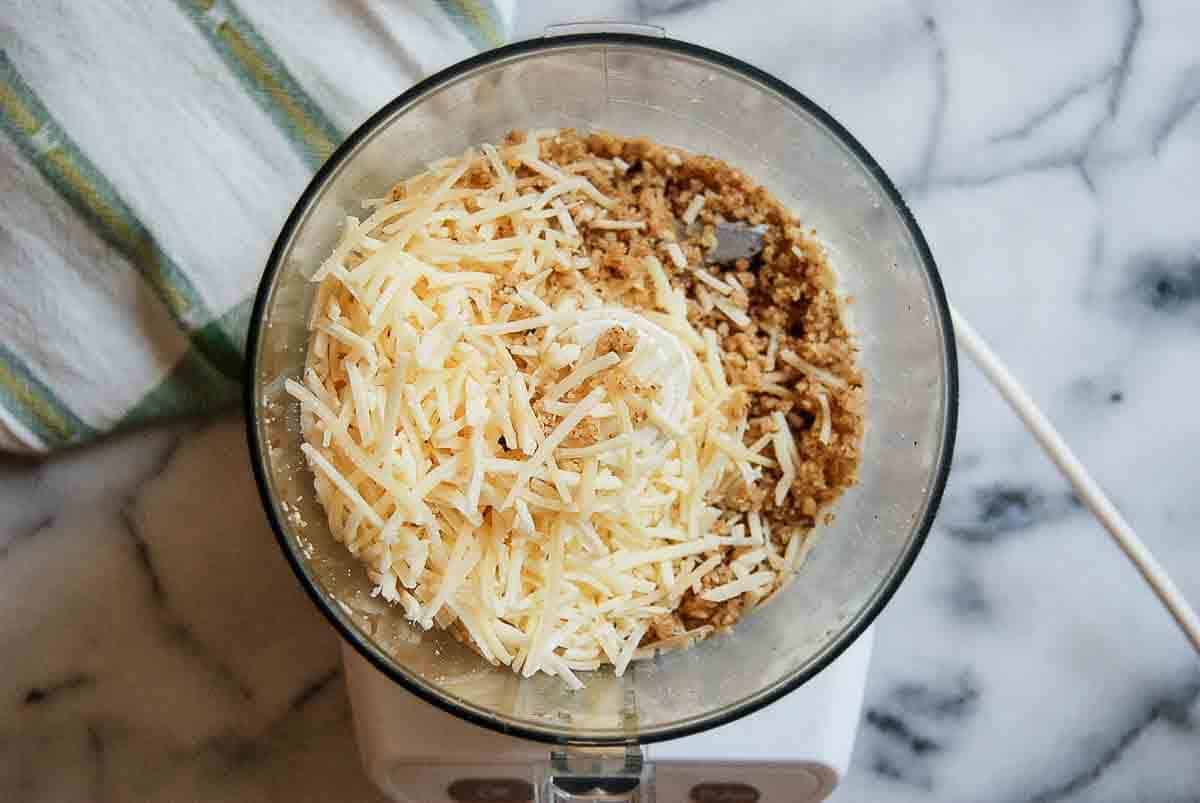
- Add the cheese. Toss in the Parmesan and pulse again to mix everything together.
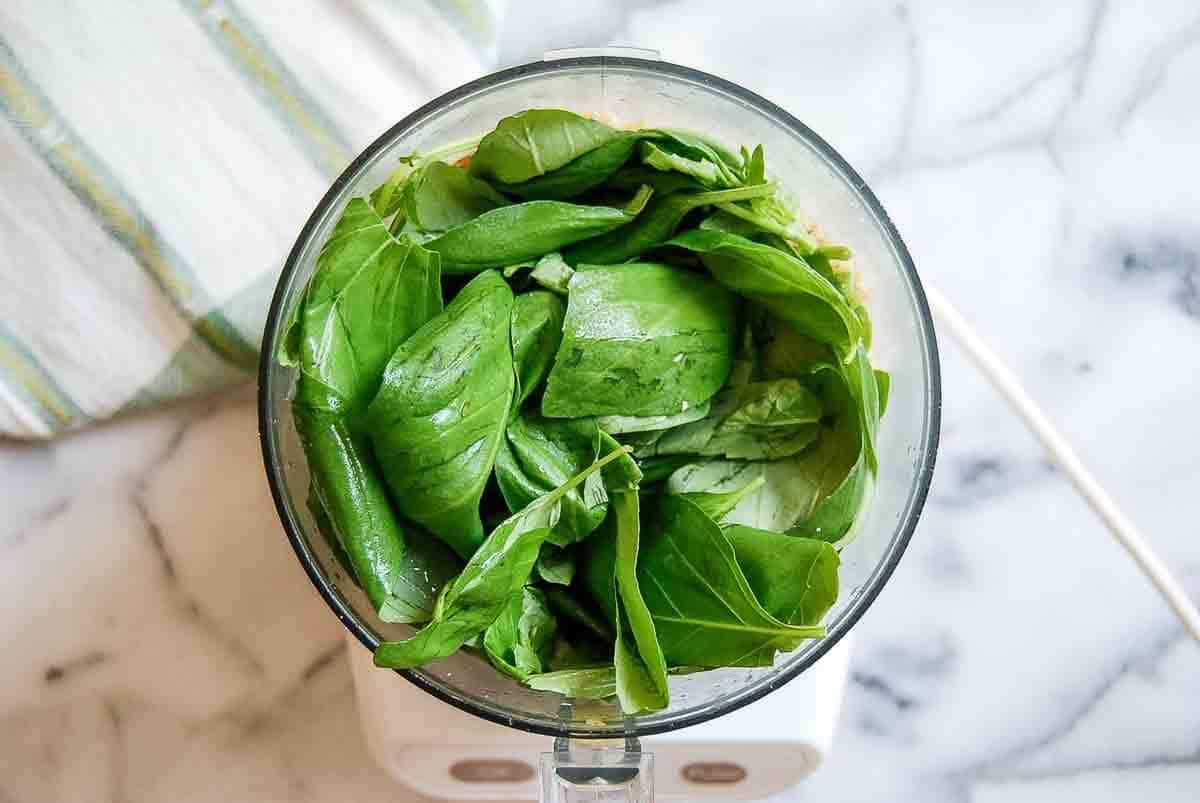
- Add the basil. Add the fresh basil leaves and pulse until a thick, green paste forms.
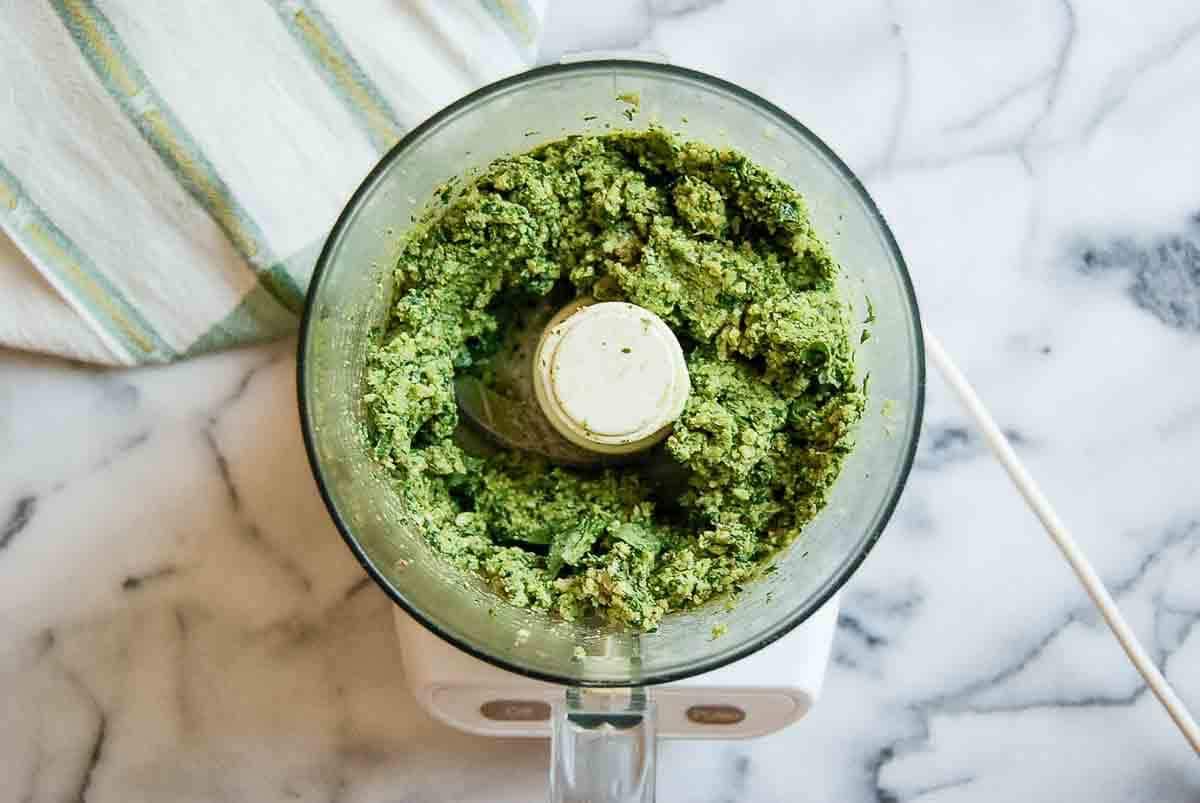
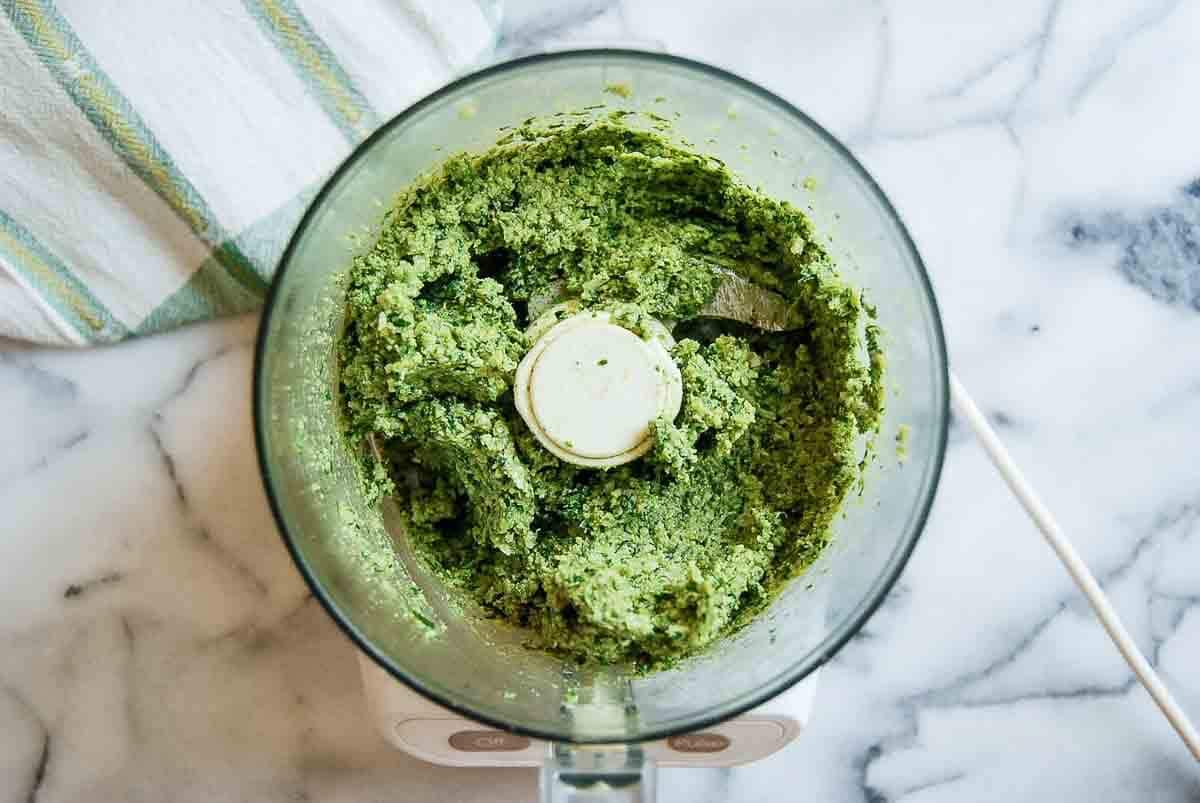
- Stream in the oil. Slowly pour the olive oil in a steady stream and stir gently until the mixture is smooth and emulsified.
- Add the lemon. Stir in the lemon juice and red pepper flakes (if using). Taste and adjust seasoning as needed.
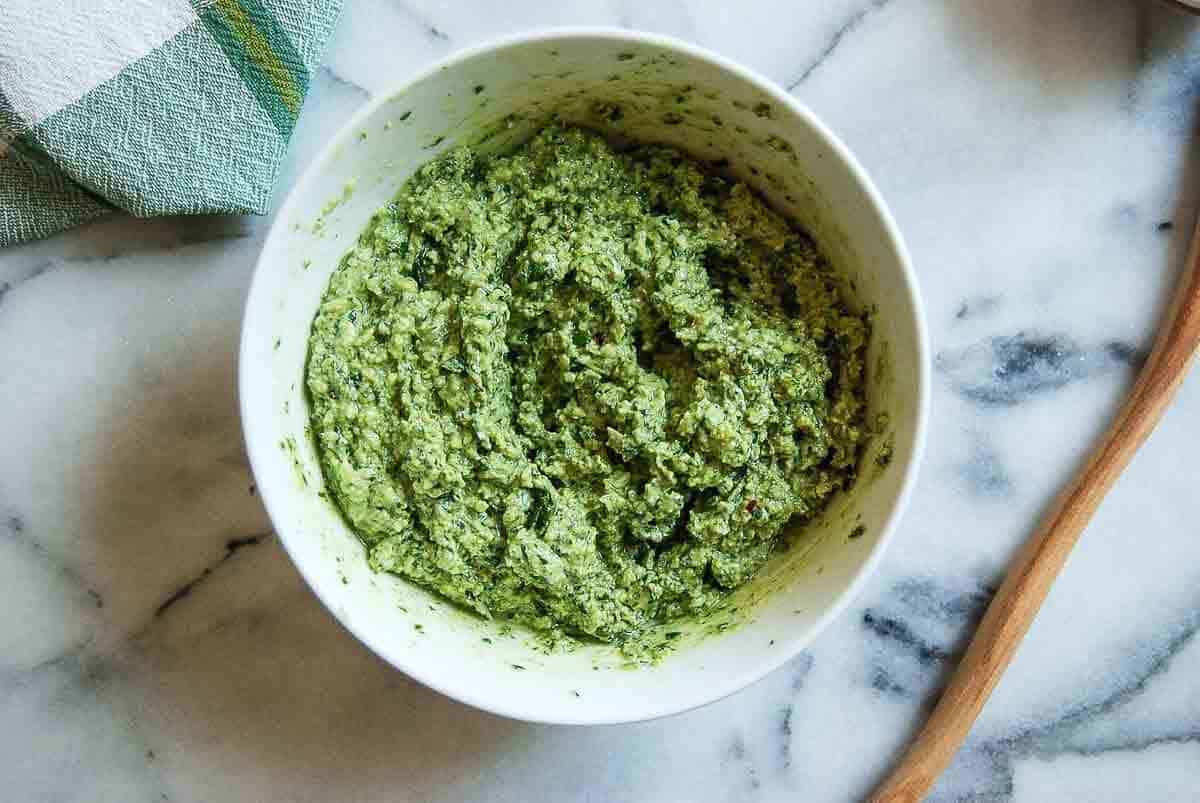
- Serve. I love tossing this with warm pasta (add a tablespoon or two of pasta water to loosen the sauce as needed), or using this as a spread on sandwiches, dip, or a sauce for pizza.
Storage Tips
To keep your pesto sauce fresh:
- Refrigerate. Keep a jar of this homemade pesto sauce with walnuts in the fridge for last-minute dinners. Store in an airtight container and top with a thin layer of olive oil to prevent oxidation and browning. Use your walnut pesto sauce within a couple of days for the best flavor, but it will keep for up to 2 weeks.
- Freeze. Here's an easy way to freeze portions of pesto so you can take whatever you need out of the freezer when you need it. Freeze the pesto in ice cube trays (silicon trays are great for this). You can also use a muffin tin lined with plastic wrap. Once frozen, pop the pesto cubes out and store them in a zip-lock bag, making sure to remove as much air as possible so you don't get any unwanted ice crystals. (If you have a vacuum sealer, that works great here too.) These pesto cubes are perfect for grabbing just what you need without having to thaw the whole batch!
Ways to Use Walnut Pesto (Beyond Pasta)
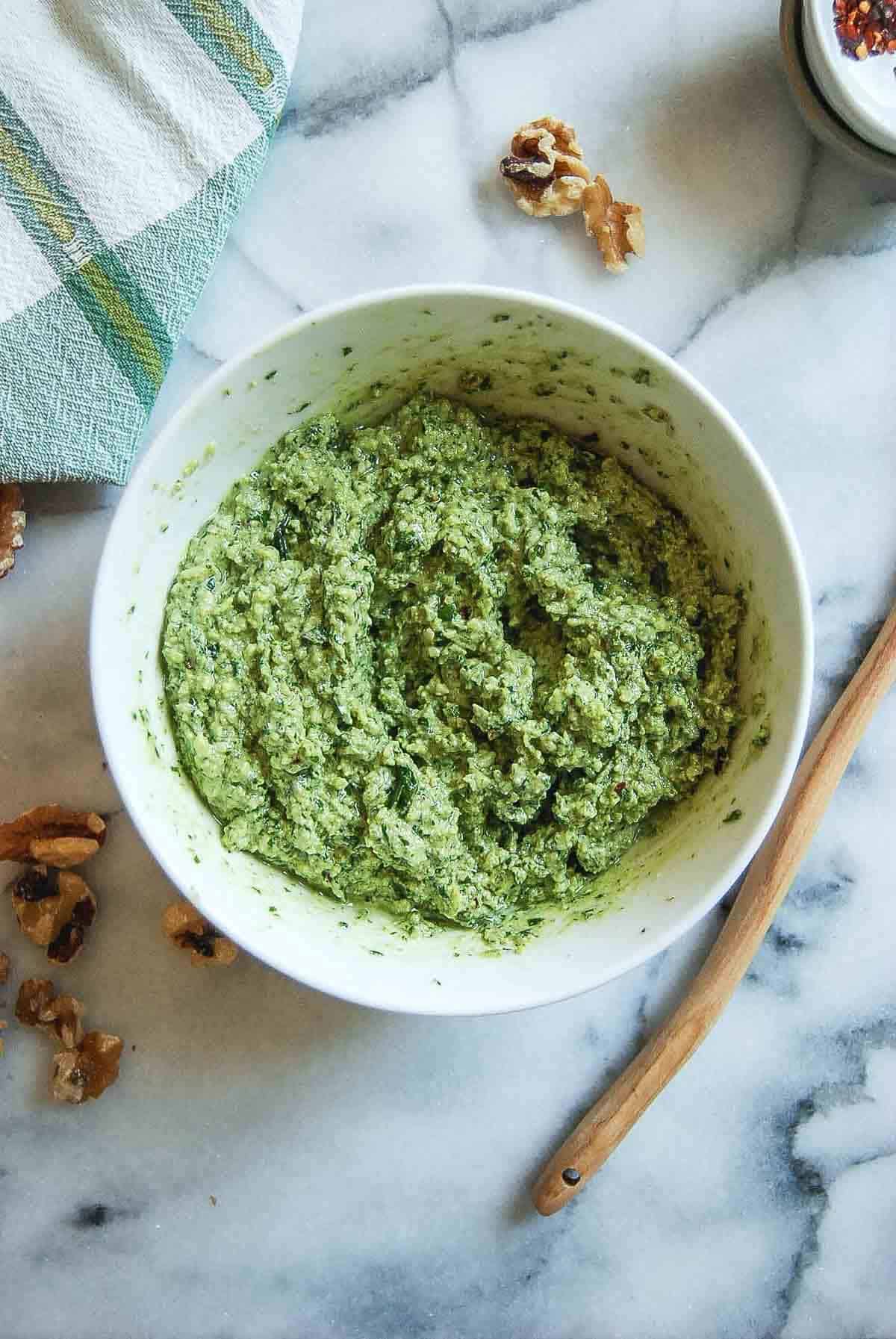
We all know and love pesto pasta, but there are tons of ways to use this easy walnut pesto sauce to amp up other dishes. Here are a few ideas:
- As a spread for sandwiches (turkey, chicken or veggies work so well with pesto!)
- As a sauce for pizza
- Drizzled over roasted veggies
- Swirled into soups (especially tomato or minestrone - seriously yum!!)
- Toss with grilled shrimp or chicken
- Stirred into scrambled eggs or omelets
- Mixed into grain bowls or risotto
Troubleshooting tips
Pesto is generally a very forgiving sauce, but if you run into any of the following issues, here's how to adjust:
- It tastes too bitter. Add more lemon juice or cheese. Bitterness can also come from using older basil, or rancid nuts, or oil. Make sure to use the freshest ingredients possible.
- It's too thick. Add more oil or a splash of water. Add just a little at a time until you get your desired consistency. There's nothing worse than pesto that's too thin!
- It feels too garlicky. Let it sit for about 30-60 minutes - the flavors will mellow over time.
Frequently Asked Questions
Some recipes call for toasting your nuts, which I did try, and to be honest, I found little flavor difference between toasted and untoasted walnuts. Save yourself the step - it's not worth it.
Seriously, almost any green! Try arugula, spinach, kale, or even carrot tops! Keep in mind the flavor you're going for, as the green/herb you use will definitely change the taste.
Exposure to air causes oxidation, which can make your walnut pesto sauce turn brown after a day or two in the fridge. To avoid this, pour a thin layer of olive oil on top of the pesto before storing it to help protect it and maintain that gorgeous, vibrant green color.
Yep! Skip the cheese for a dairy-free version, or use a vegan Parmesan as an alternative.
This pesto comes out quite thick, which is great when you're using it as a sandwich spread, but may be a bit too chunky when using it for pasta. What I like to do is reserve ½ cup of water that I cook my pasta noodles in and then add a spoonful or two to the pesto until it reaches the consistency I'm after. The starch from the noodles in the pasta water helps keep the sauce saucy and not too runny.
So there you have it! With just a handful of ingredients and a quick spin in the food processor, this walnut pesto recipe is an easy way to elevate dinner. Keep a stash in the freezer, serve over fresh pasta, or just use it as a dip for crackers (yes! I do!). It's a winner of a recipe that's versatile and super easy to make.
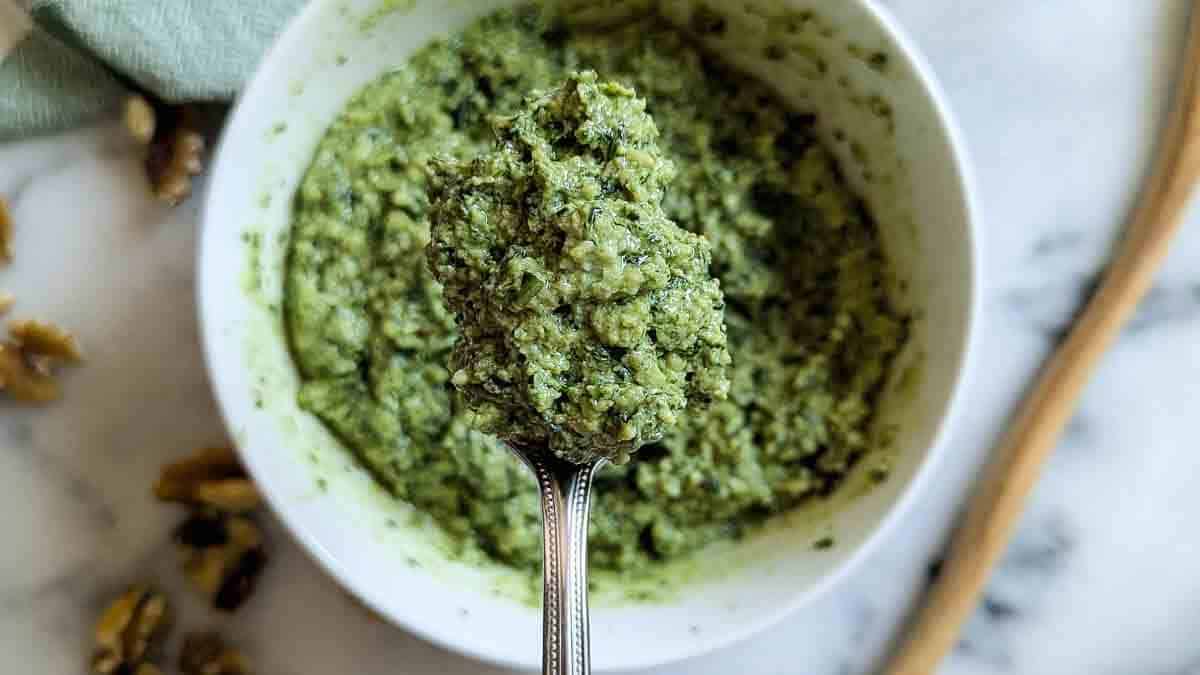
If you make this easy pesto sauce with walnuts, let me know what you think in the comments. And don't forget to tag me with a pic on IG @frontrangefed. I'd love to see all the creative ways you're using this simple sauce!
e a muffin tin with pieces of plastic wrap, pour the pesto in, and then freeze. When you take the pesto out, wrap it tightly in plastic wrap, then store it in a ziploc bag. Using the plastic wrap helps to remove the frozen pesto pucks from the muffin trays, and also helps you wrap each individual pesto portion tightly to prevent ice crystals.
Recipe
Basil Walnut Pesto Recipe
Ingredients
- ½ cup walnuts
- 3 cloves garlic
- 1 teaspoon coarse sea salt
- ½ cup Parmesan cheese grated
- 3 cups basil leaves tightly packed
- ⅓ cup light extra virgin olive oil
- 1 tablespoon lemon juice
- ¼ cup pecorino romano grated
- 1 pinch red pepper flakes optional
Instructions
- Add the walnuts, garlic, and salt to a food processor and pulse until you have a coarse crumb-like consistency.
- Add the parmesan cheese and pulse until it becomes incorporated into the nut mixture.
- Add the basil leaves to the food processor and pulse until the basil is finely minced and the mixture becomes a thick paste.
- Slowly stir in the olive oil until the mixture is smooth.
- Add the lemon juice
- Stir in the red pepper flakes if using.
- Serve with fresh pasta.
Notes
- Loosen the sauce: To loosen the sauce, add a tablespoon of pasta water to break up the sauce. Continue adding until you reach your desired consistency.
- Storing in the fridge: If storing the pesto in the refrigerator, place it in an airtight jar and top it off with a layer of olive oil. The olive oil will act as a barrier protecting the pesto from oxidation, which can make it eventually turn brown and lose some of its flavor. Fresh pesto can be stored this way for up to a couple of weeks; however, it will lose its flavor over time, so it's best to use it within a couple of days.
- Freezing: Freezing the pesto in portions makes it easy to pull out exactly the amount you need. To freeze, pour the pesto into ice cube trays, then once frozen, pop the cubes out, place them in a ziplock, and seal, removing as much air as possible so ice crystals don't form on the cubes
Alternatively, you can line a muffin tin with pieces of plastic wrap, pour the pesto in, and then freeze. When you take the pesto out, wrap it tightly in plastic wrap, then store it in a ziploc bag. Using the plastic wrap helps to remove the frozen pesto pucks from the muffin trays, and also helps you wrap each individual pesto portion tightly to prevent ice crystals. - Quantity: This recipe yields about 1 ½ cups of pesto sauce, enough to coat 12-16 ounces of pasta, or fill a small 8-oz mason jar for storage.
Explore More with AI


Comments
No Comments